
Packing up your entire life every few years isn’t just a challenge—it’s a way of life for military families. As a military spouse mom, you know the drill all too well: new schools, new friends, and the constant juggle to keep family stability intact. But what if there were parenting strategies that could make these transitions smoother, helping your family thrive amidst the chaos? Check out this guide, filled with practical tips and heartfelt stories, to discover how to turn each move into an opportunity for growth and connection.
Navigating the Emotional Rollercoaster
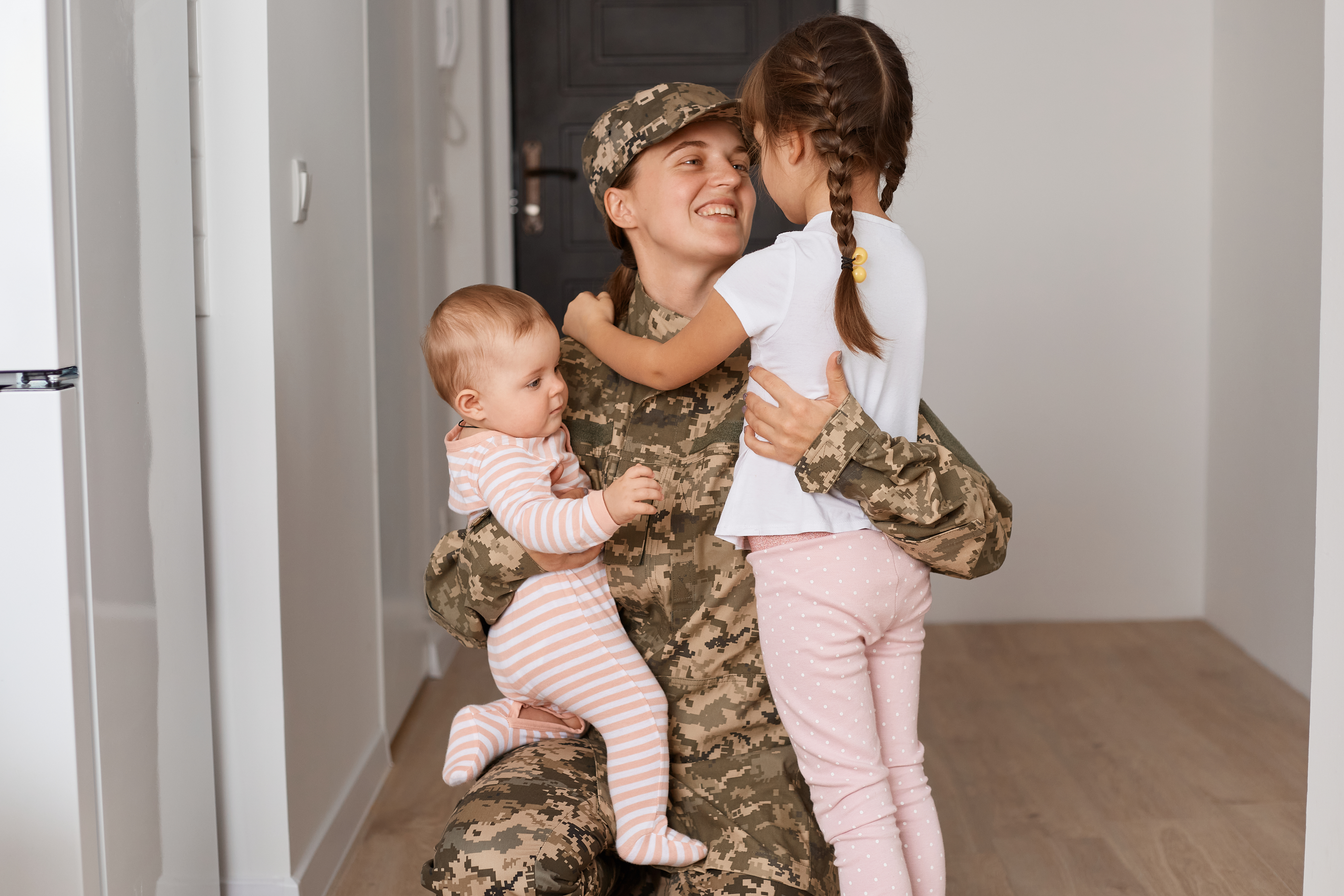
Frequent relocations can feel like an emotional rollercoaster for military families. It’s crucial to recognize and address these feelings collectively. By working together, families can turn these challenges into bonding experiences. Let’s explore how you can embrace change and manage stress as a unit.
Embracing Change Together
Military families often experience constant change. While this can be jarring, it presents an opportunity to grow closer. Embracing change together means acknowledging each family member’s feelings and supporting one another. This collective approach builds resilience and strengthens family bonds.
Consider a family who, after multiple moves, developed a tradition of creating a “new home” scrapbook each time they relocated. This act turned a stressful event into a creative bonding experience.
- Create traditions that mark each move, fostering a sense of continuity.
- Involve children in decision-making, making them feel valued and included.
- Celebrate small victories, like mastering a new environment or making a new friend.
Adaptable strategies like these can make transitions smoother. For more insights, check out Adapt Parenting.
Managing Stress as a Team
Stress is inevitable with relocations, but managing it as a team can make a big difference. Understanding each other’s stress responses and providing mutual support is key.
- Identify stressors: Start by recognizing what causes stress for each family member.
- Develop coping strategies: Whether it’s deep breathing, exercise, or creative outlets, find what works for your family.
- Establish a support network: Reach out to other military families for shared experiences and advice.
For example, the Johnsons found that regular family meetings helped them stay connected and address any stressors head-on. This simple practice fostered open communication and reduced anxiety.
- Encourage open dialogue about feelings and stressors.
- Practice stress-reducing activities as a family, like yoga or mindfulness.
Explore resources like Military OneSource to find support for military families during moves.
Building New Connections

Building new connections is essential for military families settling into new communities. Creating a sense of belonging and finding local resources can make transitions smoother and more enjoyable. Here’s how to foster those connections effectively.
Creating a Sense of Belonging
Creating a sense of belonging involves integrating into the community while maintaining your family’s unique identity. Participation in local events and activities can help.
The Smiths, a military family, found that joining local clubs and attending community events helped them form connections quickly. Their story illustrates the importance of active involvement in the community.
- Attend local events as a family to meet new people.
- Encourage children to join clubs or sports teams.
- Share your family’s traditions with new friends to build mutual respect and understanding.
This approach can alleviate feelings of isolation. For more ideas, visit Clarity Child Guidance Center.
Finding Local Resources and Support
Finding local resources is crucial for a smooth transition. Researching community resources and support systems can provide much-needed assistance.
- Research before moving: Identify schools, healthcare facilities, and community centers ahead of time.
- Join online forums: Connect with other military families in the area for advice and recommendations.
- Utilize support services: Many communities offer specific programs for military families.
For example, the Jones family relied heavily on community centers and online support groups to navigate their new environment. These resources contributed significantly to their sense of stability.
- Seek recommendations from other military families.
- Utilize online platforms to connect with local support networks.
Check out PMC for more detailed insights into community support.
Establishing Family Routines
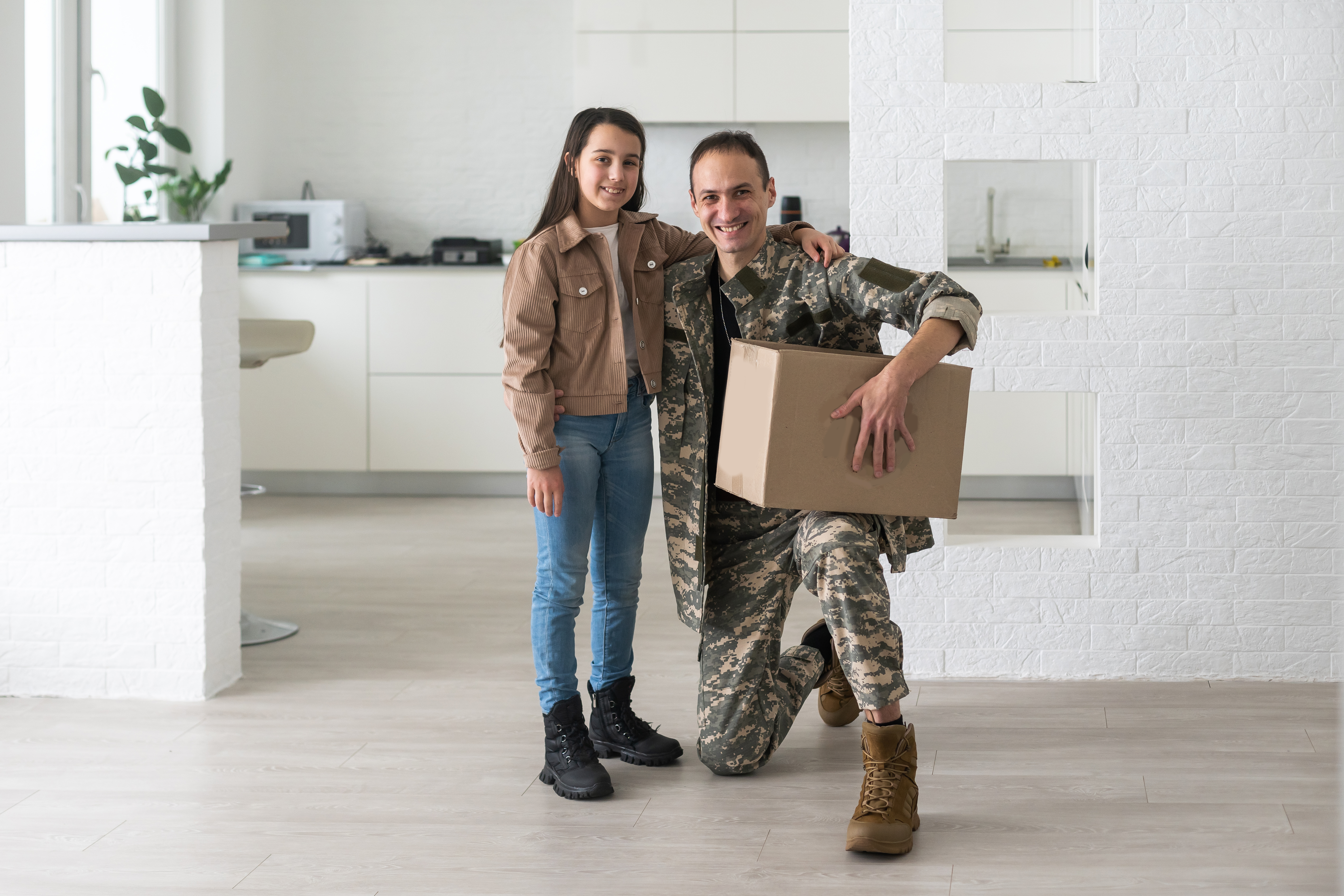
Family routines provide a sense of security and normalcy amidst frequent relocations. Establishing these routines can help maintain family stability and encourage open communication.
Consistency in a New Environment
Consistency in routines creates a familiar environment, even amidst change. Establishing a new routine helps anchor the family during transitions.
The Thompsons, for instance, always set up their family dining table first in each new home. This small act provided a consistent gathering space, reinforcing family unity.
- Maintain key routines like family meals or bedtime rituals.
- Adjust existing routines to fit the new environment while keeping core elements intact.
- Use visual schedules to help younger children adapt.
Such practices can ease the adjustment period. Learn more from Military OneSource.
Encouraging Open Family Communication
Open communication is vital for a harmonious family life, especially during transitions. Fostering an environment where everyone feels heard and valued is crucial.
- Hold regular family meetings to discuss feelings and address concerns.
- Encourage each family member to share their thoughts and experiences.
- Practice active listening to validate each other’s feelings.
Consider the story of the Perez family, who found that weekly family meetings reduced misunderstandings and strengthened their bond. These meetings provided a platform for everyone to express themselves.
- Use inclusive language to encourage participation.
- Set aside time for one-on-one conversations with each family member.
For further guidance on maintaining open communication, visit Adapt Parenting.

 Living in Plaid