
Military family life is a unique adventure, isn’t it? One minute you’re settled, and the next, you’re packing up for another move. Amidst the hustle, ensuring your kids receive consistent education can feel like navigating a maze. As a military spouse and former teacher, I’ve been there, and I’m here to share some tips that worked wonders for us. Dive into these practical strategies for military family education and see your little ones thrive, no matter where you call home. Join our community to share your experiences and find more resources to help your family flourish!
Navigating Frequent Moves

Relocating frequently is a significant part of military family life, and maintaining educational continuity for children can be challenging. Understanding how to manage these transitions can make a big difference in your child’s success. Here, we’ll explore strategies to keep education consistent and the importance of building a support network.
Keeping Education Consistent
Ensuring consistent education during relocations starts with early preparation. Research potential schools in the new area, considering factors such as academic performance and extracurricular offerings. The AASA Toolkit provides valuable insights into assessing educational environments.
Transfer records promptly to ensure a smooth transition. Keep duplicates of important documents like report cards and test scores. Communication with teachers about your child’s academic history helps them understand individual needs better.
Engage with school staff to aid in the transition. Attend introductory meetings and involve your child in orientation activities. This involvement can ease anxieties associated with a new environment.
For more guidance, resources like EdSurge can help families navigate the complexities of educational changes.
Building a Support Network
Building a robust support network is vital for families experiencing frequent moves. Connecting with other military families who share similar experiences can provide emotional and practical assistance.
Join local community groups or online forums tailored for military families. These platforms offer valuable tips and foster friendships that help ease transitions.
Participation in support groups can also offer children a sense of belonging. Engaging with peers who understand their unique challenges can boost confidence and emotional resilience.
Schools often have programs designed to support military children. By collaborating with educators, you can access resources that aid in educational and emotional development. The New Jersey Alternate Route blog offers ideas on how educators can assist military families effectively.
Encouraging Emotional Well-being
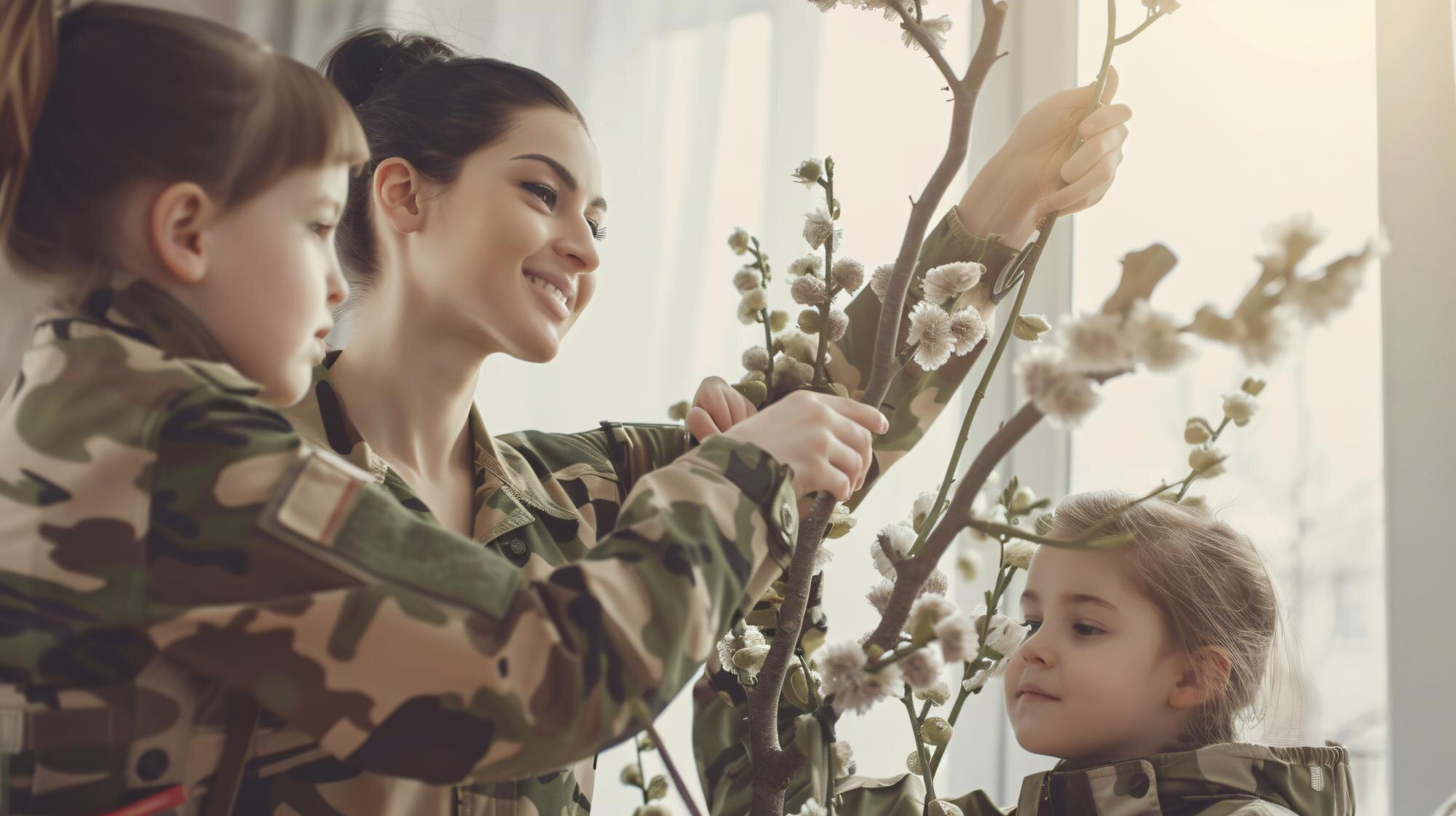
While educational consistency is crucial, fostering emotional well-being is equally important. Creating a supportive environment at home and maintaining open lines of communication can help children adapt to new situations positively.
Creating a Safe Space
A stable home environment acts as a refuge amidst the uncertainty of frequent moves. Establishing a safe space for children to express their feelings is essential for emotional health.
Decorate their new rooms quickly to create familiarity. Allowing children to choose decorations gives them a sense of control over their new environment.
Keep family traditions alive. Routine activities like family movie nights or game nights provide comfort and continuity, reinforcing family bonds.
Encouraging hobbies helps children relax and develop new skills. Supporting their interests can be a source of joy and stability during transitions.
Open Communication with Kids
Keeping an open dialogue with your children helps them feel understood and supported. Encourage them to share their feelings about each move and listen attentively.
Acknowledge their feelings: Validating their emotions fosters trust and strengthens your relationship.
Discuss upcoming transitions well in advance. Involve them in planning by sharing details about the new location and highlighting potential opportunities.
Use storytelling to relate your experiences with moving. Hearing about similar situations helps children process their emotions and adapt more easily.
For more resources, check out Military One Source, which offers guidance on supporting military children emotionally.
Practical Parenting Tips

Parenting in a military environment requires adaptability and resilience. Here are some practical tips to support your children through each transition, focusing on flexible learning opportunities and establishing routines.
Flexible Learning Opportunities
Embrace flexibility in learning to accommodate the changes that come with military life. Consider these options to enrich your child’s education:
- Online learning platforms: These offer continuity across locations, providing access to consistent educational content.
- Supplemental educational resources: Utilize libraries and community programs to enhance learning outside the classroom.
- Homeschooling: This option offers the ultimate flexibility, allowing you to tailor your child’s education to their unique needs and pace.
Incorporating diverse learning experiences ensures that children remain engaged and motivated, regardless of their environment.
Setting Routine and Structure
Establishing a routine provides children with a sense of normalcy. Consistent schedules help them adapt to new settings more easily.
Create daily routines that include study time, play, and family activities. This balance ensures that children have a healthy mix of work and relaxation.
Introduce visual schedules to help younger children understand daily expectations. Visual aids can simplify transitions between activities and enhance their sense of security.
Encourage children to participate in planning their schedules. Involving them in decision-making empowers them and fosters independence.
By incorporating these strategies into daily life, military families can better navigate the challenges of frequent relocations while maintaining educational and emotional stability. Together, we can ensure that our littlest heroes thrive, no matter where the journey takes them. 🌟

 Living in Plaid